Searching for rare and valuable coins in bank rolls is a straightforward method for building a numismatic collection, making it accessible to many people.
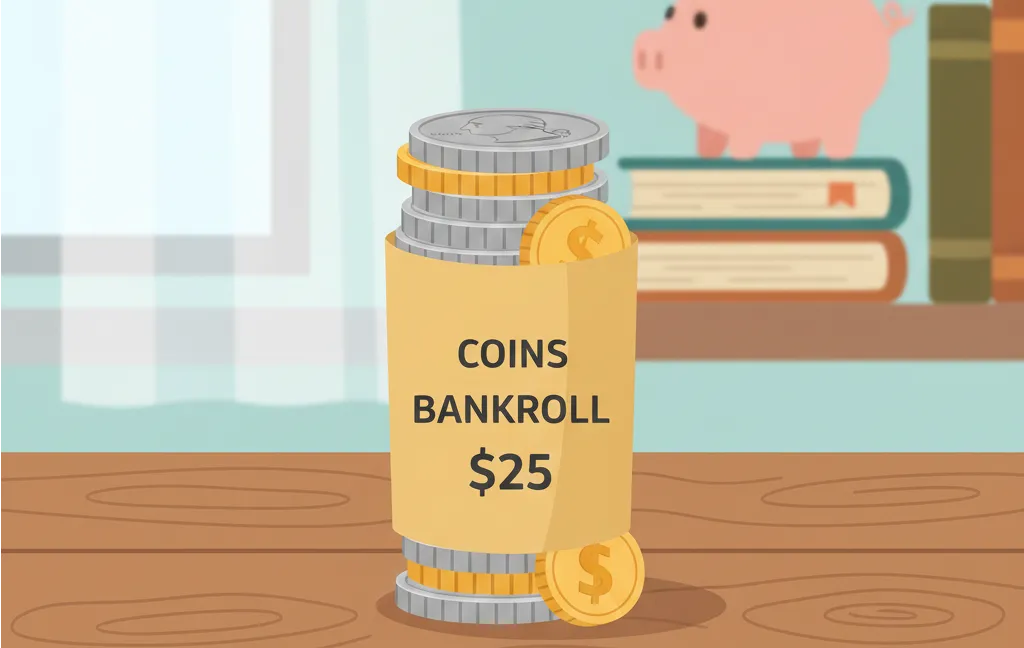
A bankroll is a stack of coins wrapped in paper, often holding hidden treasures. These coins are moving in circulation, allowing you to find rare examples, coins with minting mistakes, or coins released in small numbers.
Success comes from knowing the simple rules, using patience, and applying the correct searching technique, considering coin values.
| Category of Find | Approximate Cost Multiplier |
| Rare Date | x10 to x100 |
| Die Variety | x50 to x500 |
| “Rotation” Error | x100 to x1000 |
| “Weak Strike” Error | x20 to x200 |
| Mixed Metal Error | x300 to x5000 |
| Foreign Coins | x5 to x50 |
Preparing for the Search
Before starting to unwrap coins, you need to organize the process correctly. Good preparation saves time, increasing your chances of finding something valuable.
You shouldn’t search all coins, needing to choose only denominations that have famous, rare years, or many different types.
- Small coins usually stay in circulation for a long time, collecting many different years of issue. You may find rarer varieties and errors in small coin rolls because people pay less attention to their minting quality.
- In rolls of larger coins, you often find commemorative and anniversary coins, issued in special series. Their total number can differ, meaning some of them cost much more than their face value.
Getting Rolls from the Bank
You should go to the bank, ask to change paper money for rolls of a specific coin denomination. It is good to ask for “new” or “mixed” rolls.
- New Rolls: These are rolls the bank received directly from the Mint. They contain coins only from one year of issue, usually not having old or rare coins, but they can contain errors or rare types from the current year.
- Mixed Rolls: These rolls, collected from coins returning from use, contain different years and mint marks, offering the best chance for finding old, rare, or foreign coins.
After checking all coins, you return the coins you don’t want to the bank, needing to wrap them again in paper or give them to an automatic coin-counting machine.
You shouldn’t return coins to the bank where you got them to avoid receiving the same coins back in a new roll.
You Need…
You need a small set of tools for an effective search.
- Magnifying Glass helps you check small details, mint signs, and find small errors or varieties, needing an enlargement of 5x–10x.
- Guidebooks and Catalogs: Have fast access to information about rare years, total numbers, and known coin varieties for the denomination you are searching. This information can be in a paper catalog or a coin scanner app.
- Scales with 0.01 g Accuracy: Used for checking the weight of suspicious coins, noting that small differences in weight can show a fake coin or a rare coin type.
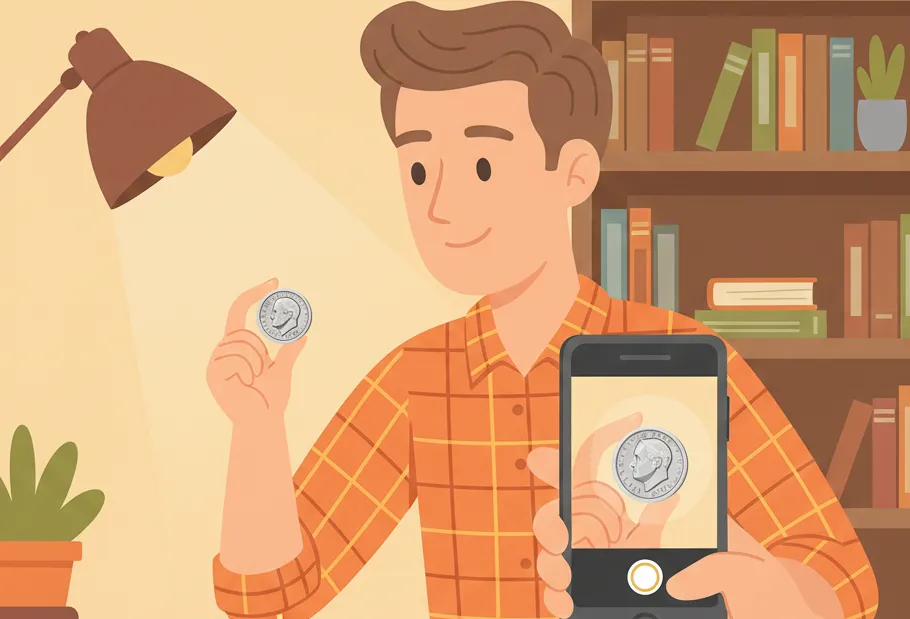
- Flashlight: Using a desk lamp or a bright white flashlight, you direct the light sideways onto the coin surface, making small scratches and details of the relief visible for correct identification.
- Soft-tipped Tweezers: Used for holding coins in good condition. You shouldn’t touch coins with your bare hands to avoid leaving fingerprints that reduce the coin’s value.
- Storage Containers: Small capsules, holders, or special packets are needed for keeping the coins you decide to collect.
Practical Checking Techniques
The checking process must follow a system, preventing you from missing a valuable item.
Unwrapping and Initial Look
Unwrap the rolls carefully, working with the coins on a clean and soft surface, preventing scratches.
Pouring the coins from the roll, you immediately arrange them by their year of issue, allowing you to quickly locate coins from the rare or important years you are searching for.
Look at the coins standing on their side — differences in thickness or metal color on the side can show a foreign coin or a coin made from an unusual metal.
Put all commemorative, anniversary, or foreign coins aside for a deeper look.
Year and Denomination
For every denomination, there are years of issue that are rare because of a small total number.
- Look for coins from other countries, which sometimes enter circulation because their size is similar to local coins. Some old or unusual foreign coins can be good for trading or selling.
Mint Marks
For the same year, a coin minted in one location can be ordinary, but minted in another area, it can be rare.
This happens because of differences in the total number or the use of different dies.
Use a magnifying glass to clearly see the mint sign. This mark is small or worn away on some coins.
What to Look For
Sometimes coins were minted but not widely used because of events. If such a coin is found in a roll, its cost is high.
- Changeover years are years when the country changed its government, coin design, or metal. The total number in such years was often small.
Typical Mistakes in the Search Process
New collectors often make mistakes that damage the value of the coins found or lead to losing money.
- Never clean a coin, thinking it is rare, because any cleaning, even gentle washing, leaves tiny scratches. These scratches immediately reduce the numismatic value of the coin.
- Patina proves the coin is real and old, showing its history. Removing this patina makes the coin look wrong, lowering its value a lot.
The Wrong Storage Mistake
- Right after finding a valuable coin, you should place it in a single plastic capsule or a special cardboard holder. This protects it from physical touch, scratches, and the environment.
- Don’t use cheap plastic packets or albums made of polyvinyl chloride, because this plastic releases chemicals, slowly destroying the metal and leaving green or sticky spots.
The Overestimation Mistake
If you find a coin that seems rare or has a mistake, first check it using the best coin identifier app or several different catalogs.
If the price in the catalog is high, go to an independent numismatic expert for checking that the coin is real and for getting a condition rating.
Remember the coin’s price depends much on its condition, seeing that a coin in perfect condition costs many times more than the same coin showing heavy wear.
Most circulating coins have a low level of preservation, lowering their value even if they are from a rare year.
The Selling Mistake
You shouldn’t sell the coin you found to the first person offering money for it.
Before selling, study the “realized prices” on large auctions over the last six months.
- Compare the offers from several buyers. The prices can be very different. Selling on a special numismatic auction, where many collectors see the coin, often results in a higher price than selling to a private buyer.